What Is a Meme? Meaning, Types, and How Internet Memes Work
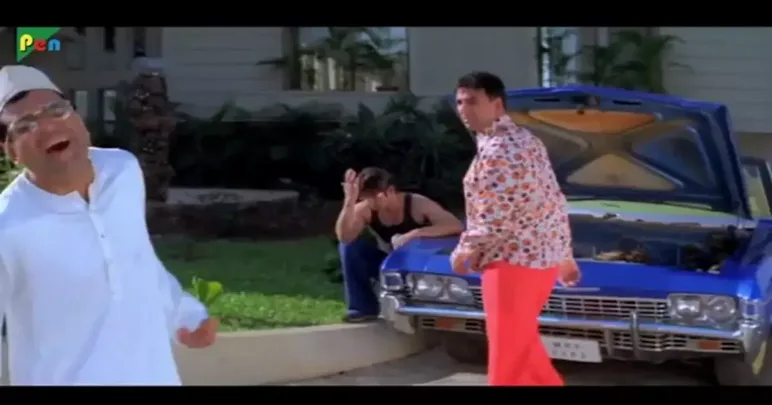
A meme is an idea, joke, or style that spreads from person to person by being copied and changed along the way. On the internet, that usually means an image, video, phrase, or format that thousands of people remix for their own situations. The same Babu Bhaiya face from Hera Pheri can show up with a hundred different captions, and each one still makes sense to the person who shares it.
This article explains where the word comes from, the main types of memes, why some spread and others disappear, and what to keep in mind if you want to make or share them.
Where the word "meme" comes from
The word was not invented for the internet. Biologist Richard Dawkins used it in his 1976 book The Selfish Gene. He wanted a name for ideas, habits, songs, and fashions that pass from one mind to another, much like genes pass between living things. He shortened the Greek word mimeme, meaning "something imitated", to "meme".
In Dawkins's sense, a catchy tune or a way of greeting people is also a meme. Online, the word became narrower. Today most people use it for a piece of funny or relatable content that spreads and gets remixed. Both meanings share one core idea: a meme survives because people copy it.
What makes something a meme, and not just a funny picture
A funny photo that you share once is just content. It becomes a meme when other people start reusing it in their own way. Three things usually separate the two:
- It gets copied. People do not only share the original. They make their own versions.
- It changes. The caption, the situation, or the format shifts depending on who is using it.
- It is understood by a group. A meme often carries a shared reference. If you know it, you get the joke at once. If not, it can look meaningless.
That last point explains why a meme can feel confusing when you first see it. The joke is often not in the picture alone. It is in what the picture has come to mean.
Main types of internet memes
Image macros
A photo with text on it, usually at the top and bottom. This is the classic meme format. The picture stays the same, and the text changes with each use.
Meme templates
A template is a ready-made picture or scene that people fill with their own text. The template gives the structure, and you supply the joke. Templates are the easiest way for a beginner to start. We explain them in more detail in our guide to meme templates.
Reaction images and GIFs
These are not jokes by themselves. They express a feeling in a chat or comment, such as shock, pride, disappointment, or "I told you so". A short clip of an actor rolling their eyes can say more than a sentence.
Video memes and sound memes
A short clip, a dialogue, or an audio line becomes the meme. People reuse the same sound in Reels and Shorts with different videos. Dialogue from films and TV serials is especially popular in India, so Bollywood memes and Hindi memes are good places to see this in action.
Catchphrases and text memes
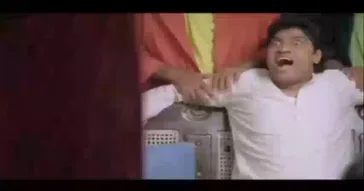
Some memes have no image at all. A phrase, a way of writing, or a tweet format spreads because people enjoy repeating it.
Challenges and trends
Here the meme is an action, such as a dance step, a pose, or a "do this and tag a friend" format. People join in by copying the action and adding something of their own.
Inside jokes of small communities
Cricket fans, gamers, students preparing for exams, and office workers all have memes that only their group fully understands. These often stay inside the community and never become widely known.
How a meme spreads
Memes rarely follow a fixed path, but many go through similar stages.
- Origin. A moment appears: a scene from a film, a news clip, a photo, or a funny remark.
- Early adopters. A small group notices it and starts reusing it, often on Reddit, X, Instagram, or WhatsApp groups.
- Remixing. People change the caption, crop the image, or add their own twist. This is where it becomes a true meme.
- Peak. It reaches a wide audience, including people who do not follow meme culture closely. Pages and brands begin using it.
- Fade. Overuse makes it feel stale. Some memes disappear. Others stay as a familiar reference that people bring back now and then.
This is a simplified picture and not every meme follows it. Still, it explains why a meme can suddenly feel "dead" once a company uses it in an advertisement.
Why some memes spread and others do not
No one can predict a hit, but successful memes tend to share a few qualities:
- Easy to understand. You should get it within a few seconds.
- Easy to adapt. A good template works for many situations, such as exams, salary day, family functions, or Monday mornings.
- Relatable. People share a meme when it says something they already feel.
- Strong emotion. Surprise, embarrassment, and frustration travel well.
- Simple to share. A small file that works on WhatsApp and Instagram has an advantage over a large or complicated one.
Timing matters too. A meme that is perfect this week can look out of place a month later. To see what people are sharing right now, check the trending memes page.
How to read a meme you do not understand
- Look at the image or clip itself. Is it from a film, a news event, or a person's reaction?
- Read the caption separately from the picture. The joke is often the gap between the two.
- Search for the source scene or the phrase together with the word "meme".
- Check the comments. Someone has usually explained it.
Making and sharing memes: a few things to know
Making your own meme is simple. Choose a template or clip, write a short caption that fits your situation, and keep the text easy to read. If the joke needs a paragraph to explain, it probably needs more work. You can try this in the meme generator.
Copyright is worth understanding. Many memes are built from film scenes, photographs, or other people's work, and that material usually still has an owner. A meme being everywhere online does not mean it is free to use for any purpose. Sharing a meme with friends is very different from putting it in a paid advertisement or a monetised video. Our article on using memes commercially goes through this in detail.
Also think about people. Memes made from photos of private individuals, especially photos taken without their knowledge, can embarrass or harm them. A good rule is to avoid making fun of someone who never chose to be public.
Why memes matter
Memes are a quick way to say something about daily life, exams, cricket, work, or relationships. A joke that would take a paragraph to explain can fit into one image. That is why a meme often travels further than a serious post on the same topic.